

Climate-Aware Protein Bars: Local Sourcing Trends for Sustainable Snacking
By Emile Bartow on February 16, 2026
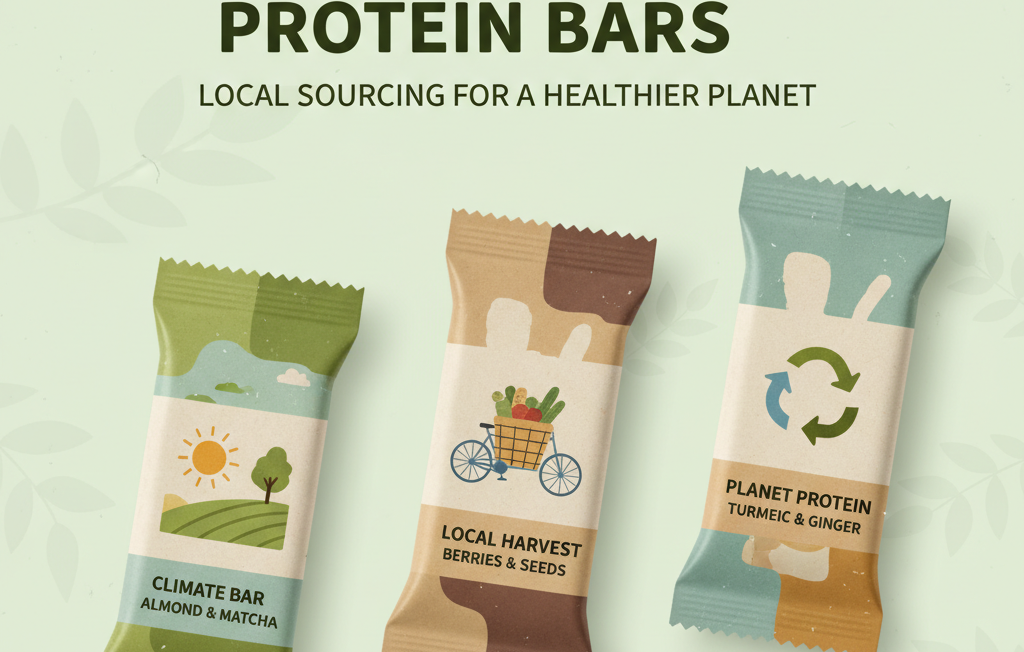
Climate-Aware Protein Bars from Local Sourcing Trends
As the world grapples with climate change and rising health consciousness, the food industry is undergoing a seismic shift. One of the most exciting developments is the emergence of climate-aware protein bars, crafted from locally sourced ingredients. These bars not only cater to the growing demand for high-protein, low-sugar snacks but also address sustainability concerns, making them a fascinating focal point for both consumers and producers.
Key Takeaways
- The market for healthy, high-protein snacks is projected to reach around $139 billion in North America by 2025.
- Clean-label plant-based energy bars are gaining traction, appealing to consumers who prioritize transparency in food sourcing.
- Local sourcing reduces carbon footprints and supports regional economies, aligning with eco-conscious consumer values.
- Many brands now highlight their environmental commitments, using recyclable packaging and sustainable practices.
- The rising popularity of climate-aware protein bars reflects a larger trend toward responsible consumption and health-focused lifestyles.
- Consumers increasingly seek snacks that not only provide energy but also contribute positively to the environment.
- Innovative flavor combinations and nutrient-dense ingredients are driving interest in this snack category.
The Rise of High-Protein Snacks
Rising interest in health and fitness has sparked a surge in demand for high-protein snacks. Protein bars, once the domain of bodybuilders, have evolved into mainstream options for anyone looking for a quick energy boost. According to market analysis, the retail value of the snack category in North America continues to soar, with growth driven by consumer preferences for healthier, on-the-go options.
These bars are no longer just about convenience. Consumers are increasingly looking for clean-label products—items made from simple, recognizable ingredients without artificial additives. Brands such as RXBAR and Quest have capitalized on this trend, emphasizing their minimalistic ingredient lists. The result? A protein bar that caters to health-conscious snackers while also aligning with a clean eating philosophy.
Sourcing with a Conscience
What sets climate-aware protein bars apart from their traditional counterparts is their commitment to local sourcing. By tapping into regional agriculture, brands can significantly reduce transportation emissions associated with their products. Local sourcing not only lessens the carbon footprint but also fosters community engagement. Farmers get better prices, and consumers enjoy fresher ingredients.
For example, a brand sourcing almonds from California instead of importing them from abroad reduces its greenhouse gas emissions and supports local farmers. This resonates with consumers who are increasingly mindful of the environmental impact of their food choices.
Eco-Friendly Practices in Packaging
Beyond ingredient sourcing, the packaging of protein bars is undergoing a transformation as well. Many brands are prioritizing sustainable packaging solutions. This includes using recyclable materials, biodegradable wrappers, and even investing in carbon-neutral packaging processes.
Take a brand like KIND, which is known for its efforts to produce snacks that align with sustainability principles. Their commitment to using eco-friendly packaging has not only attracted environmentally-conscious consumers but has also set a standard for others in the industry. As such practices become the norm, brands that fail to adapt may find themselves left behind.
Flavor Innovations and Nutritional Value
The landscape of protein bars is also being shaped by innovative flavor combinations and nutrient-dense ingredients. Gone are the days of bland, chalky bars. Today’s consumers expect bars that are not just nutritious but also enjoyable to eat.
Brands are experimenting with unique ingredients like adaptogens, superfoods, and even savory flavors. This creativity in product development is crucial to capturing the interest of an increasingly discerning market. For instance, a bar infused with matcha or turmeric appeals to health enthusiasts while also offering functional benefits.
A Movement Towards Responsible Consumption
The rise of climate-aware protein bars signals a broader movement toward responsible consumption. Today's consumers are not just passive buyers; they’re informed, vocal, and ready to support brands that reflect their values. They want snacks that align with their health goals and also contribute positively to the planet.
As a result, the protein bar market is not just a trend—it’s a reflection of a cultural shift. Consumers are prioritizing their health without sacrificing their commitment to sustainability. This evolution presents a challenge and an opportunity for brands to innovate and adapt.
Conclusion
The future of snacking is here, and it’s rooted in sustainability. Climate-aware protein bars, with their local sourcing and eco-friendly practices, are leading the charge in the food industry’s transformation. As they evolve, these bars will likely shape the future of consumer behavior, pushing brands to adopt more sustainable practices. The next time you reach for a protein bar, consider not just its nutritional value, but also its impact on the world around you. Choosing wisely can contribute to a healthier planet, one snack at a time.






MORE IN TRENDING
Nostalgic Comfort Packs: Inflation-Beating Travel Eats for Savvy Explorers
As travel demand surges post-pandemic and inflation soars, nostalgic comfort packs offer affordable, heartwarming meals like peanut butter sandwiches and homemade soups, helping travelers save money while evoking childhood memories and family warmth on the road.
Asaf Bar .
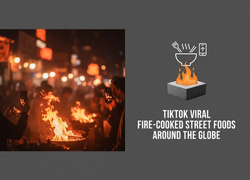
TikTok Viral Fire-Cooked Street Foods Around the Globe
TikTok has ignited a global fascination with fire-cooked street foods, from sizzling skewers in Asia to wood-fired pizzas in Italy, showcasing local flavors and cultural traditions through viral videos by influencers like Joe Vadakkedam.
Lilya Odol .
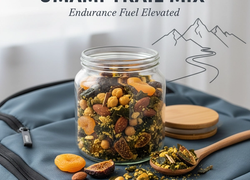
Umami-Boosted Trail Mix for Endurance Travel: Savory Snack Recipe
Elevate your endurance travel snacks with umami-boosted trail mix featuring nuts, seeds, roasted chickpeas, seaweed, nutritional yeast, and dried fruits for sustained energy and savory flavor.
Asaf Bar .

Fermentation Jars That Survive Luggage: Essential Travel Packing Tips
Traveling with homemade ferments like kombucha and kimchi requires careful packing to prevent breakage. Use inflated bags for cushioning, gallon zip-top bags to contain spills, position jars in the suitcase center surrounded by clothes, choose sturdy wide-mouth glass jars, avoid overfilling, and check airline liquid regulations for safe transport.
Emile Bartow .
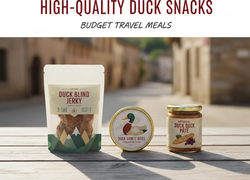
High-Quality Duck Snacks for Budget Travel Meals
High-quality duck snacks offer budget travelers protein-packed, portable gourmet options like dried duck jerky, confit bites, and pâté. These sustainable, flavorful treats enhance hikes, road trips, and picnics with rich taste and long shelf life.
Asaf Bar .
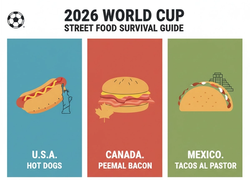
2026 World Cup Street Food Survival Guide: Your Essential Culinary Companion
The 2026 FIFA World Cup across North America offers fans a culinary adventure through diverse street foods. From Chicago's deep-dish pizza and New York's halal offerings to Toronto's peameal bacon sandwich and Mexico City's tacos al pastor, each host city delivers unique flavors. This guide provides essential tips for navigating street food scenes, staying hydrated, budgeting wisely, and embracing local dining customs during the tournament.
Emile Bartow .
Packing Hacks for Preserved Mushrooms on Backpacking Trips
Discover essential packing hacks for preserved mushrooms on backpacking trips, including choosing dehydrated types, using airtight containers, portion control, and efficient rehydration techniques to enjoy flavorful trail meals without extra weight.
Lilya Odol .
No-Cook Fire-Flavored Salads for Perfect Picnic Recipes
No-cook fire-flavored salads are perfect for summer picnics, featuring simple recipes like No-Chop Chickpea Salad with chickpeas, cucumbers, tomatoes, olive oil, and lemon juice, enhanced by smoky spices like smoked paprika and chipotle for bold flavor without cooking.
Asaf Bar .
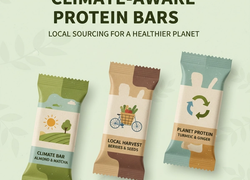
Climate-Aware Protein Bars: Local Sourcing Trends for Sustainable Snacking
As the world grapples with climate change and rising health consciousness, climate-aware protein bars from locally sourced ingredients address sustainability while meeting demand for high-protein, low-sugar snacks. These bars reduce carbon footprints, support local economies, use eco-friendly packaging, and feature innovative flavors, reflecting a shift toward responsible consumption.
Emile Bartow .

Social Media Picks: Must-Try Grilled Foods on the Road
Discover must-try grilled foods for road trips that are Instagram-worthy, from grilled corn on the cob with lime and chili to street-style tacos, skewers, gourmet burgers, charred vegetables, grilled cheese, and regional specialties like Chicago sausages or Texas barbecue.
Emile Bartow .
Bittersweet Ferments: Travel-Safe Snacks with Umami Depth
Discover travel-safe snacks infused with bittersweet ferments that deliver complex umami flavors, health benefits from probiotics, and DIY recipes for personalized treats like fermented chocolate and nuts.
Lilya Odol .
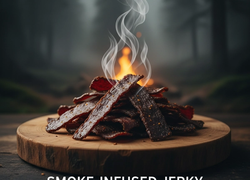
Smoke-Infused Jerky: DIY Recipes for Campers
Craft your own smoke-infused jerky for camping with this DIY guide, featuring a simple marinade recipe using soy sauce, Worcestershire, and spices, smoked at 160°F for 4-6 hours for perfect flavor and texture.
Asaf Bar .